
A kitchen remodel isn’t just about changing how the space looks—it’s about improving how it works every day. Many remodels focus only on style, but the most successful kitchens balance layout, storage, and visual simplicity. Whether you’re updating a small kitchen or planning a full redesign, the right decisions can make the space feel more open, efficient, and easier to use.
Here are kitchen remodel ideas that focus on real impact.
1. Start With Layout, Not Decor
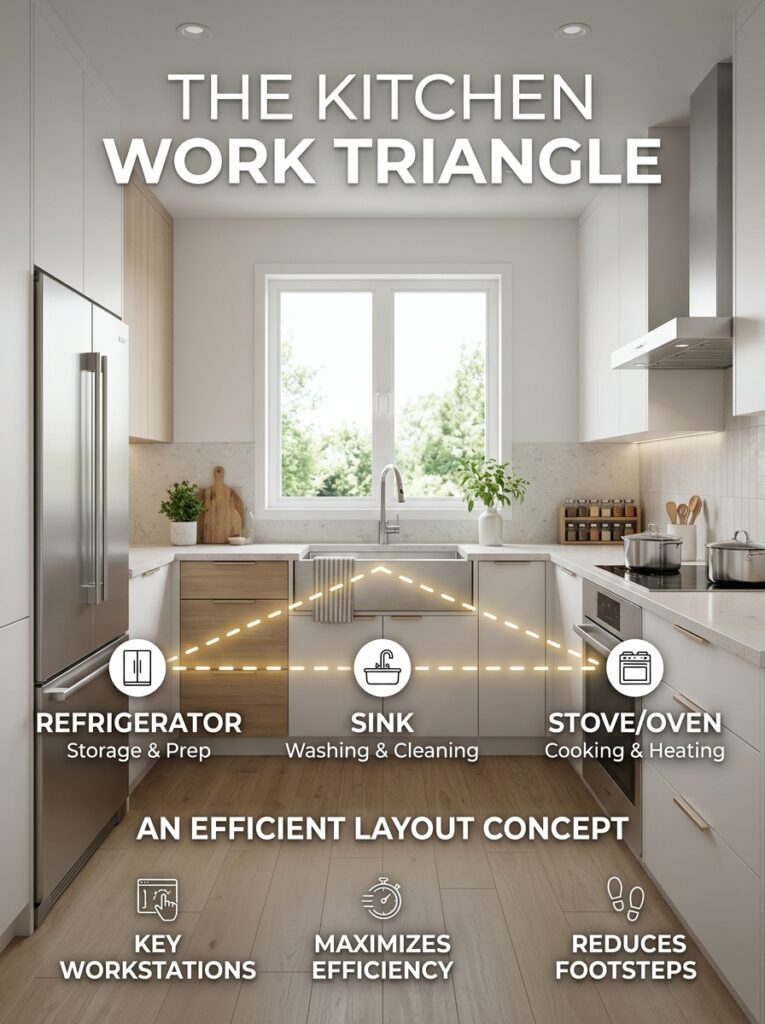
The biggest mistake in kitchen remodeling is focusing on finishes before layout.
- Improve the flow between sink, stove, and refrigerator
- Reduce unnecessary movement while cooking
- Keep frequently used areas within easy reach
Even small layout adjustments can make a kitchen feel more functional without adding extra space.
2. Upgrade Storage Before Adding More Cabinets
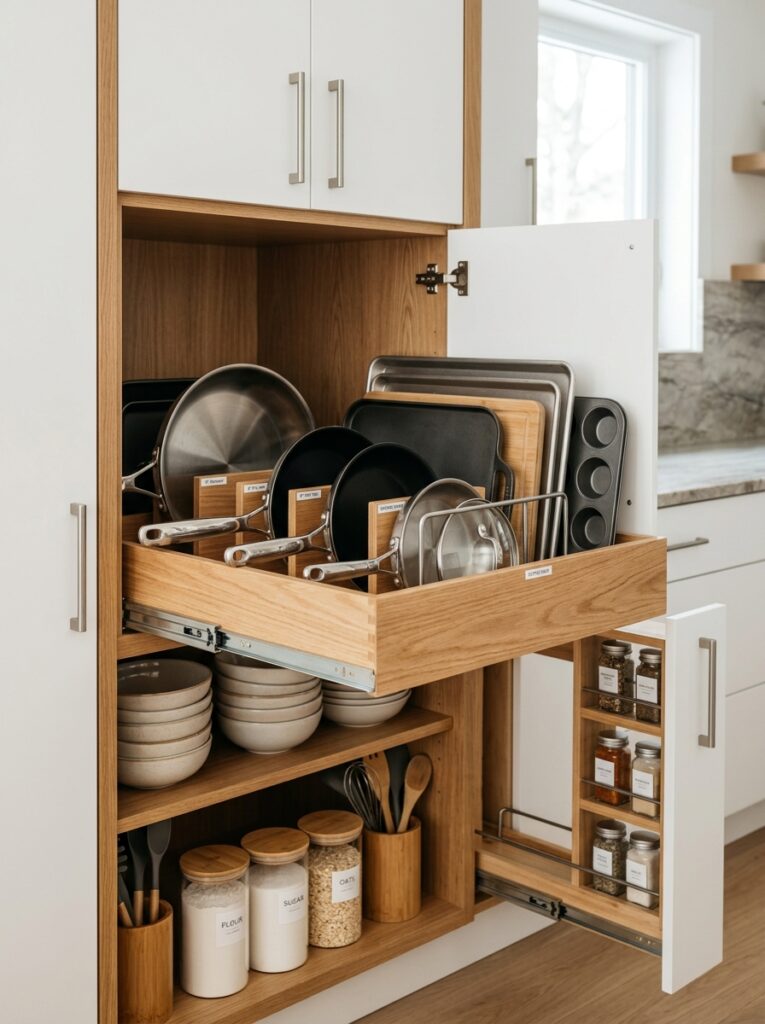
More cabinets don’t always solve storage problems—better organization does.
- Use pull-out drawers instead of deep shelves
- Add vertical dividers for trays and pans
- Include hidden storage inside cabinets
Smart storage makes everything easier to access and reduces clutter on countertops.
3. Keep Countertops Clear by Design
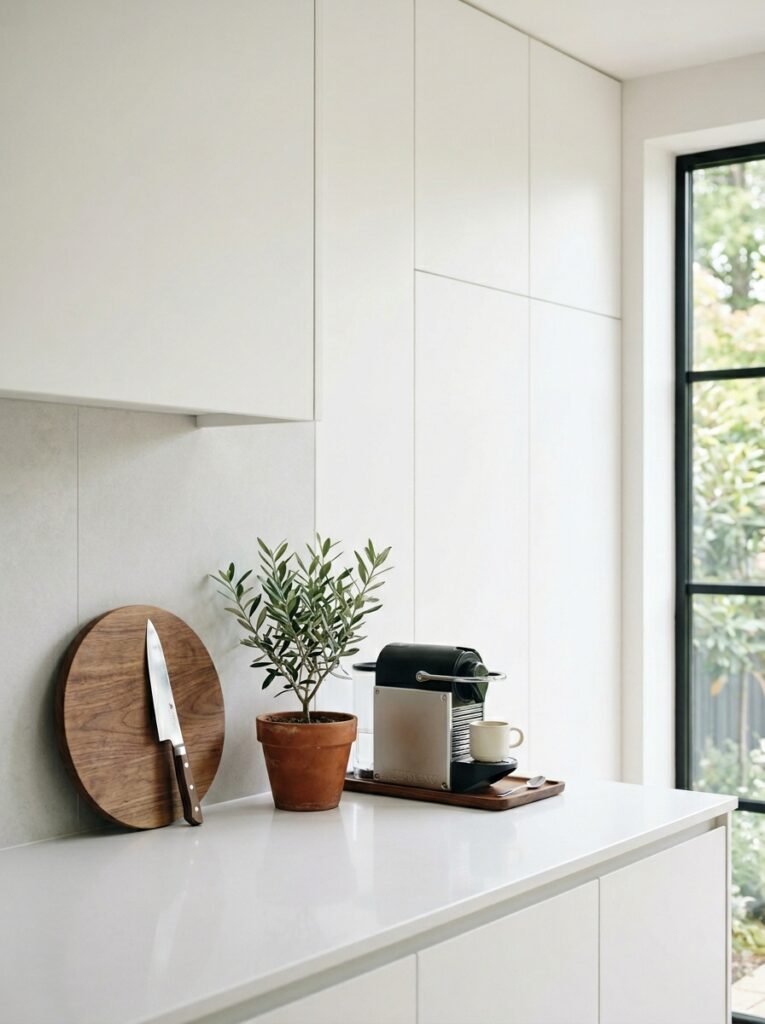
A clean countertop isn’t just about cleaning—it’s about planning.
- Create designated zones for daily-use items
- Store appliances you don’t use daily
- Use built-in organizers where possible
The goal is to design a kitchen that naturally stays uncluttered.
4. Choose Materials That Balance Style and Durability
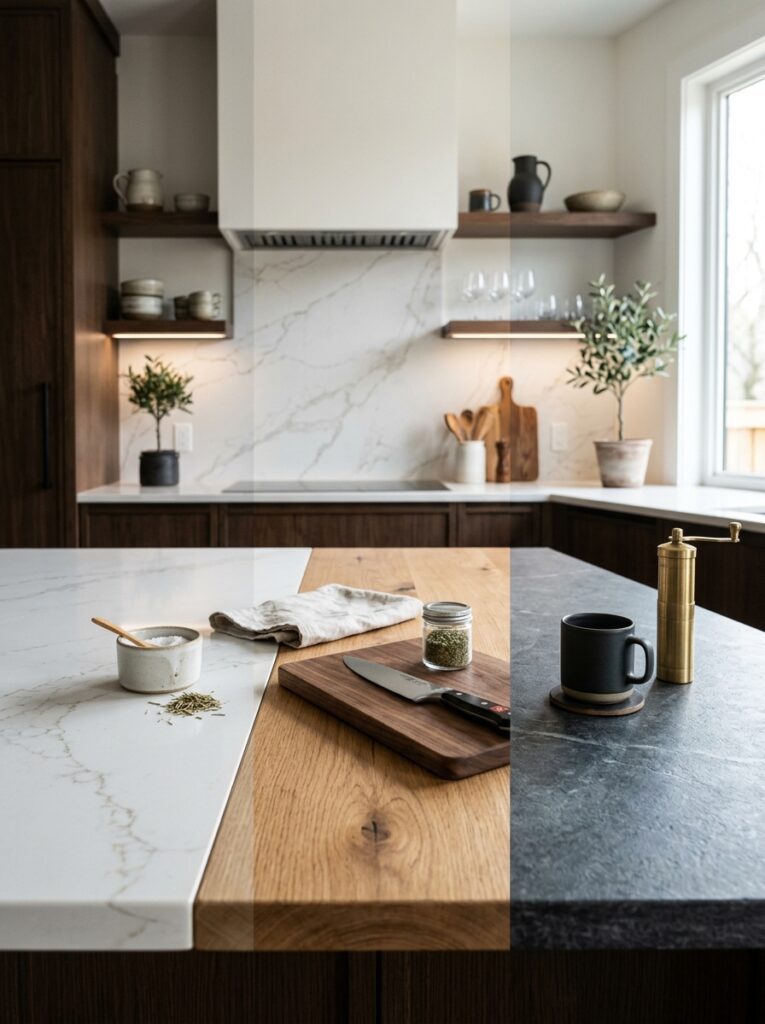
Trendy materials may look good, but they don’t always last.
- Use surfaces that are easy to clean and maintain
- Combine natural textures like wood with durable finishes
- Avoid overly delicate materials in high-use areas
A good remodel should still look great after everyday use.
5. Use Lighting to Add Depth and Function
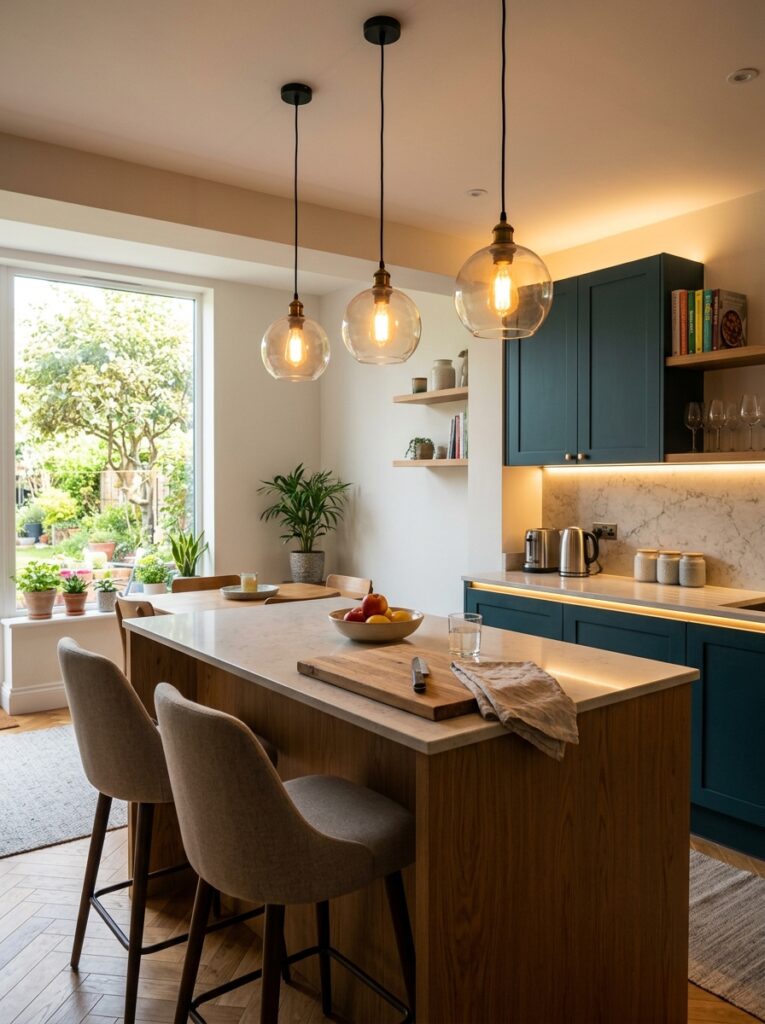
Lighting is often overlooked, but it changes how the kitchen feels.
- Combine overhead lighting with under-cabinet lights
- Add warm lighting for a more inviting look
- Ensure work areas are well-lit without harsh shadows
Layered lighting improves both usability and atmosphere.
6. Stick to a Simple, Consistent Color Palette
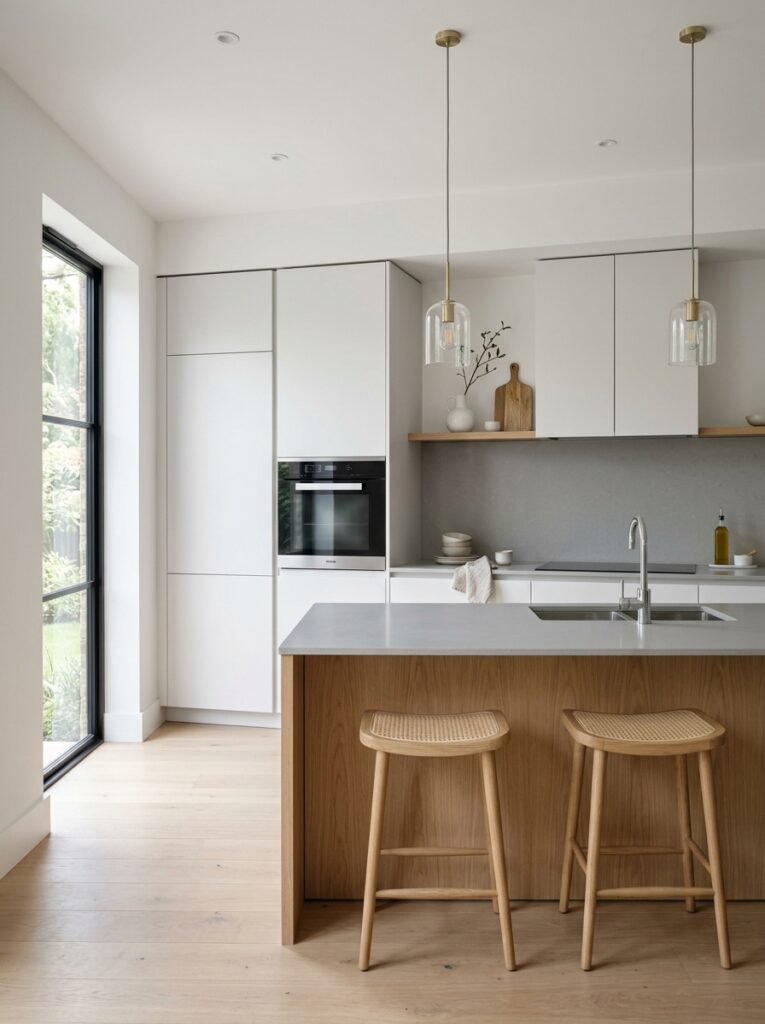
Too many colors can make a remodeled kitchen feel busy.
- Use 2–3 main tones (e.g., white, wood, soft grey)
- Add variation through texture instead of color
- Keep cabinets, walls, and surfaces visually connected
This creates a calm and cohesive space that feels larger.
7. Add One Feature That Defines the Space
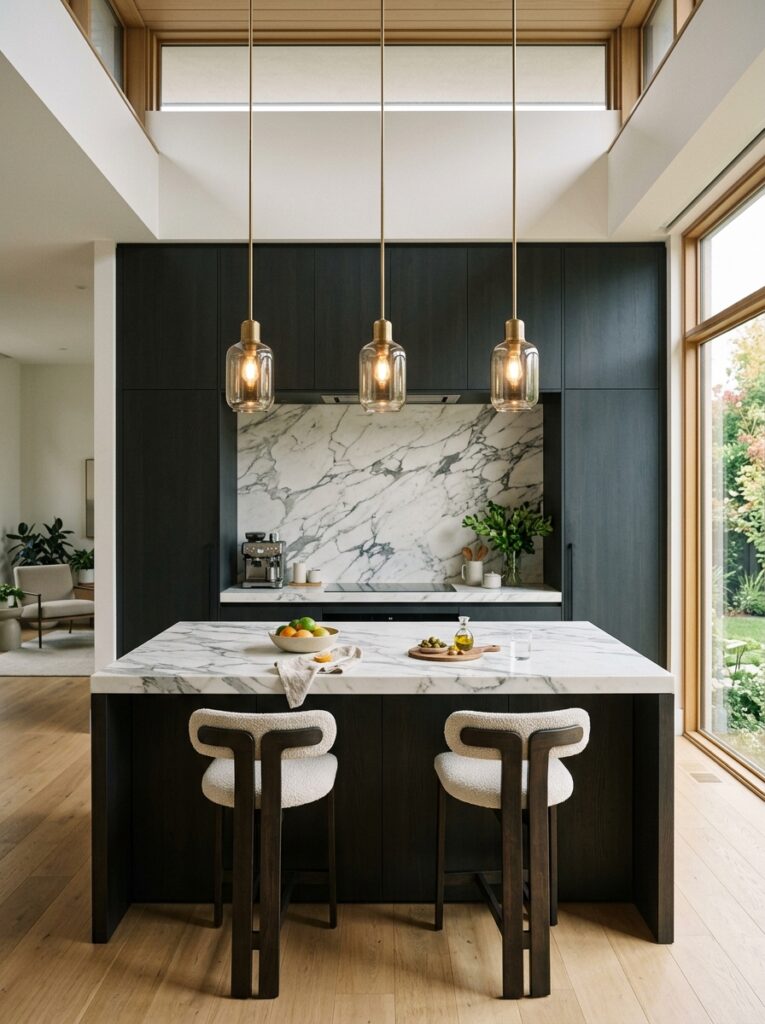
Instead of trying to make everything stand out, choose one focal point.
- A clean backsplash design
- A functional kitchen island
- Open shelving with styled essentials
One strong feature makes the kitchen feel intentional without overcomplicating the design.
Conclusion
A successful kitchen remodel isn’t about adding more—it’s about making better decisions. When layout, storage, and simplicity are prioritized, even a small kitchen can feel efficient and well-designed. The best kitchens are not just visually appealing—they make everyday tasks easier and more enjoyable.