
Small spaces don’t fail because of size—they fail because of how space is used. The right storage ideas can completely change how a room feels and functions. Instead of adding more furniture, the goal is to use smarter systems that create space without cluttering it.
Here are practical storage ideas designed for real small-space living.
1. Use Vertical Space Without Overcrowding
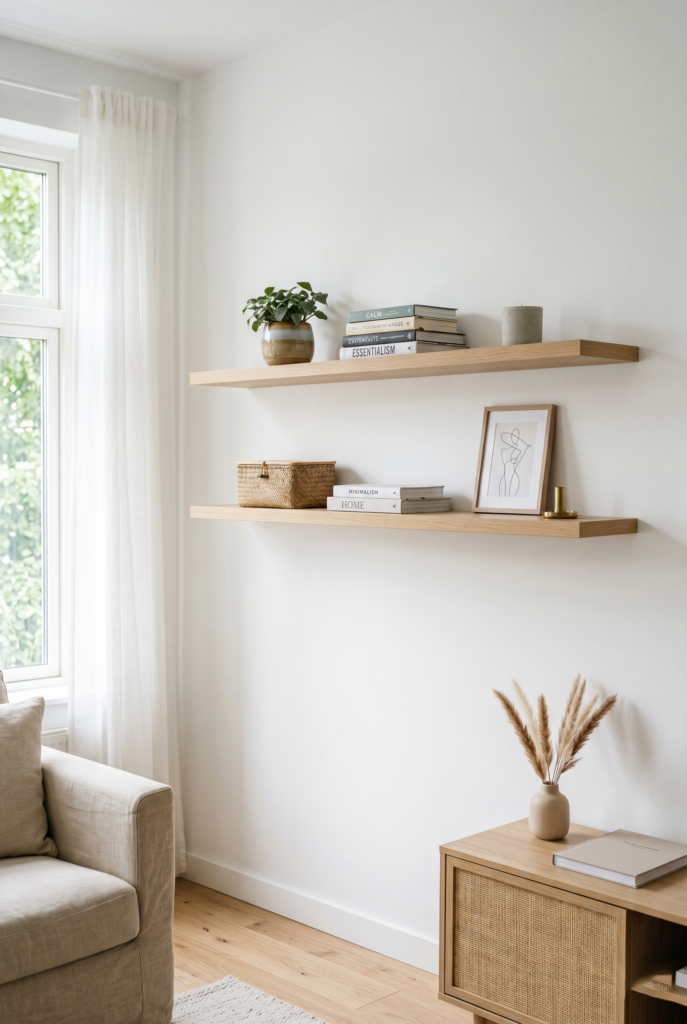
Most small spaces have unused wall height. Instead of stacking bulky furniture, use vertical storage in a controlled way.
- Install floating shelves above eye level
- Use tall, narrow storage units instead of wide ones
- Keep spacing between shelves to avoid a cramped look
The key is balance—too much vertical storage can feel overwhelming, but done right, it makes the space feel taller and more open.
2. Turn “Dead Corners” Into Storage Zones
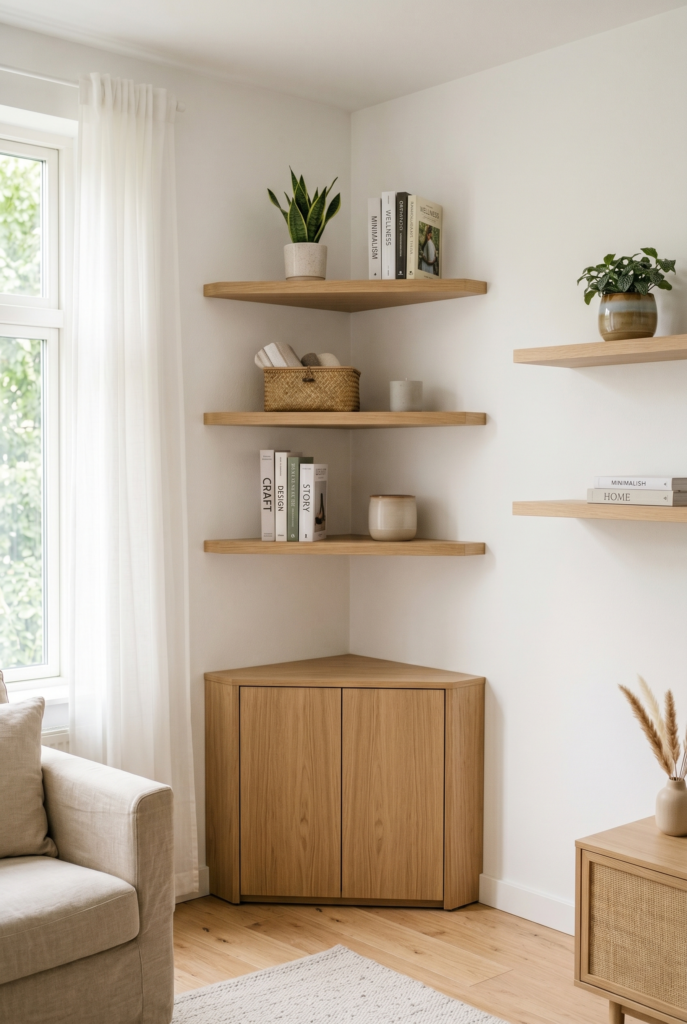
Corners are often ignored, but they’re perfect for functional storage.
- Add corner shelves for books or decor
- Use small corner cabinets or stands
- Place baskets for quick-access items
This works especially well in living rooms and bedrooms where every square foot matters.
3. Choose Furniture That Does More Than One Job
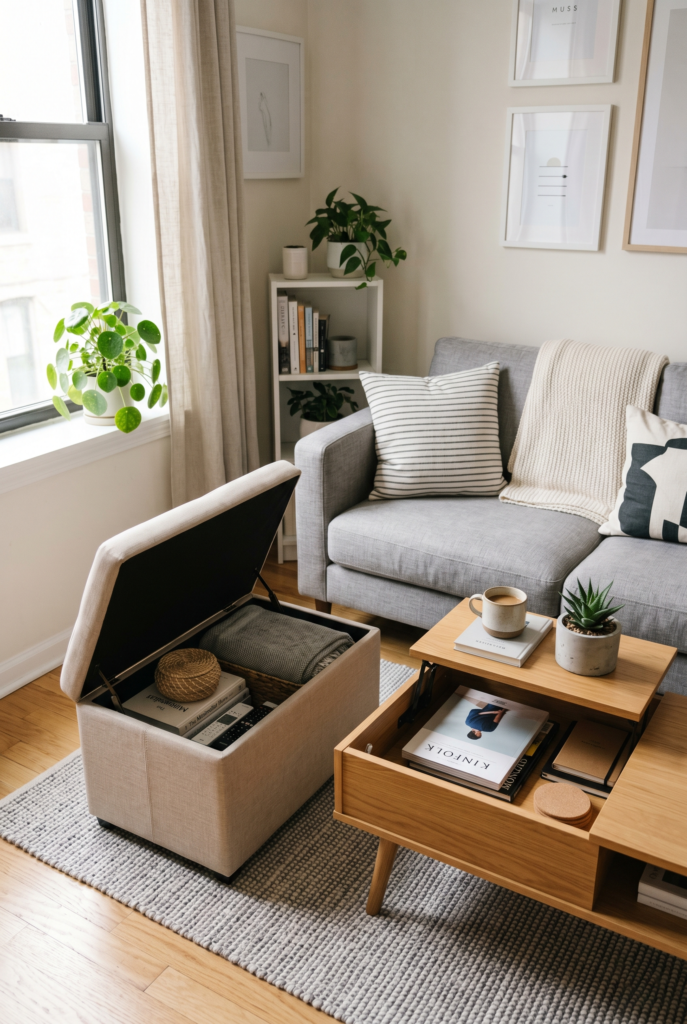
In small spaces, every piece should serve multiple purposes.
- Storage ottomans for blankets or everyday items
- Beds with built-in drawers
- Coffee tables with hidden compartments
This reduces the need for extra storage units and keeps the room clean and uncluttered.
4. Use Clear Containers for Everyday Items
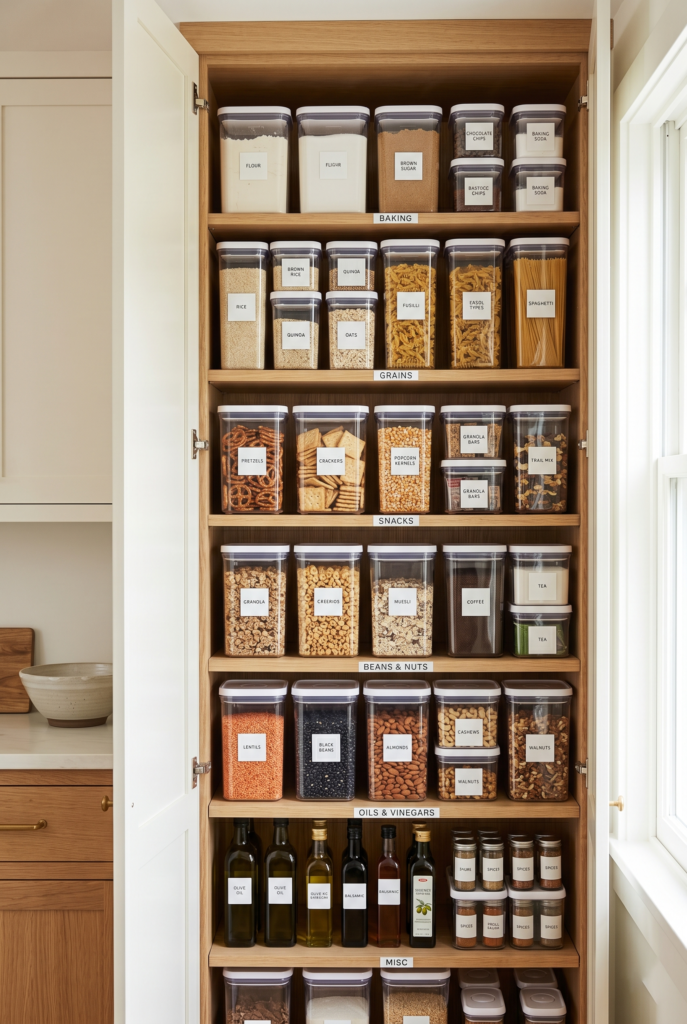
One of the biggest problems in small spaces is not knowing where things are.
- Use clear bins for pantry, fridge, or cabinets
- Group similar items together
- Stack containers to maximize space
This doesn’t just save space—it also makes everything easier to manage.
5. Make Use of Doors and Hidden Surfaces
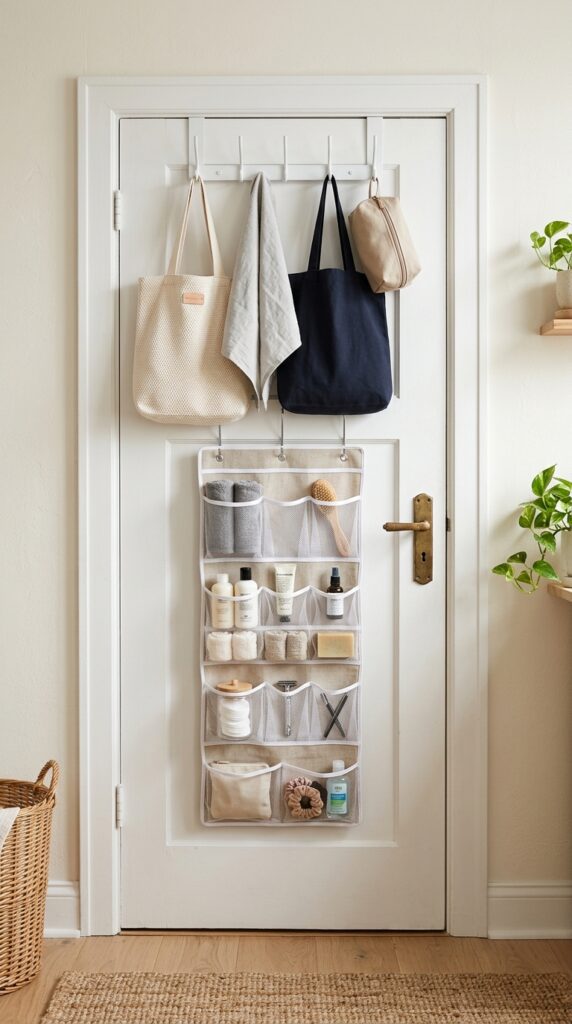
Doors are one of the most underused storage areas.
- Add hooks behind doors for bags or towels
- Use over-the-door organizers
- Install slim racks inside cabinet doors
These solutions don’t take up extra space but add a lot of functionality.
6. Keep Surfaces Intentionally Minimal
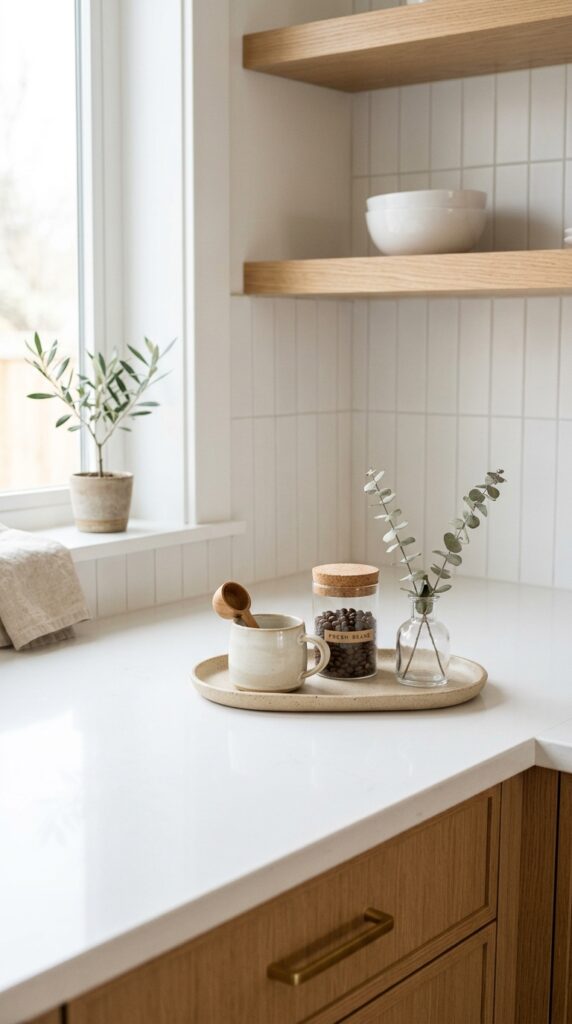
Cluttered surfaces make small spaces feel even smaller.
- Limit countertop items to essentials
- Use trays to group items neatly
- Leave some empty space on purpose
Empty space isn’t wasted—it creates a clean and calm look.
7. Create Dedicated “Zones” for Everything
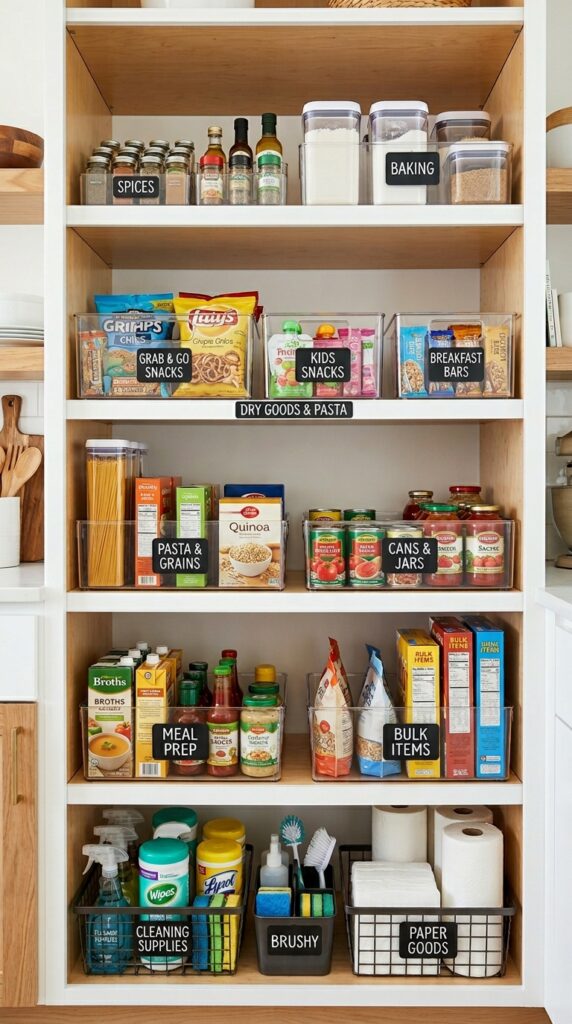
When everything has a place, clutter disappears.
- Assign zones (snacks, cleaning, daily items)
- Use bins or dividers to define each section
- Keep frequently used items easy to reach
This system works especially well in kitchens, closets, and entryways.
Conclusion
Small space storage isn’t about adding more—it’s about using space better. Simple changes like vertical storage, multi-functional furniture, and organized zones can make a big difference. When everything has a place, even the smallest space can feel open, functional, and easy to live in.