
Organizing a small apartment is often treated as a storage problem. The usual advice is to buy bins, shelves, or organizers—but adding more storage can quickly make a space feel crowded.
A better approach is to rethink how your space is used. By adjusting layout, reducing friction, and making small changes to daily habits, you can create a home that feels more open and easier to manage—without adding anything new.
1. Start by Reducing What Competes for Space
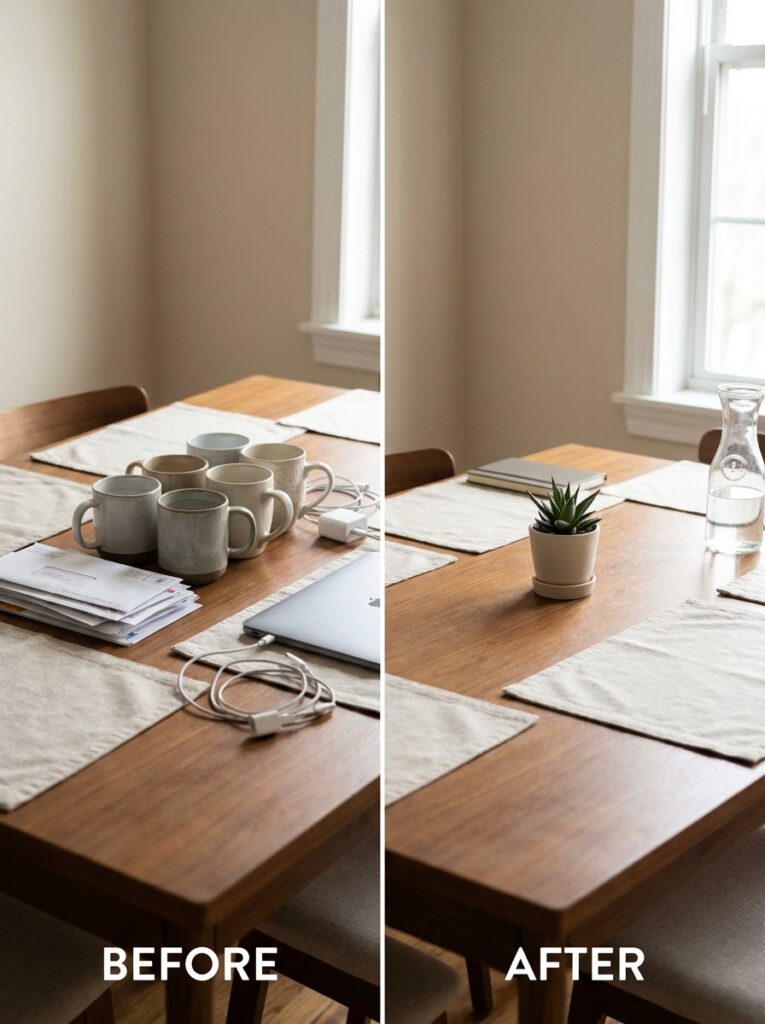
In a small apartment, every item affects how the space feels.
- Remove duplicates
- Keep only frequently used items accessible
- Store or eliminate things that don’t serve a clear purpose
Less competition for space makes everything easier to organize.
2. Assign Clear Functions to Each Area
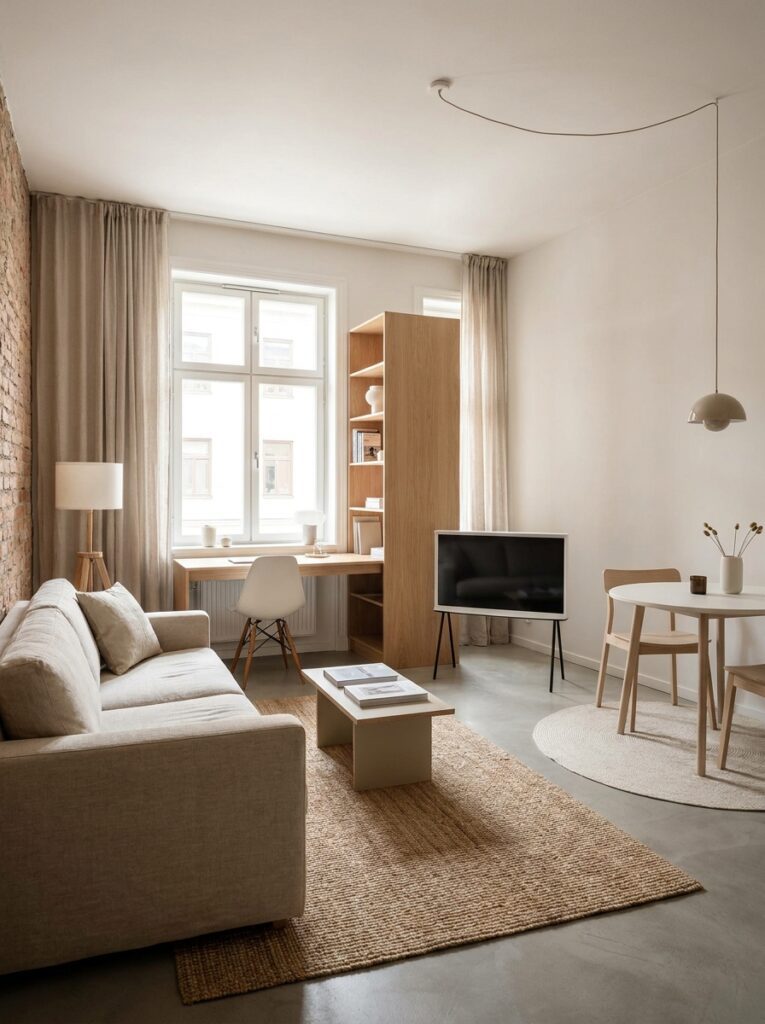
When areas serve multiple unclear purposes, clutter builds up.
Define zones:
- Work area
- Relaxation space
- Dining or eating area
Even in a studio, clear zones help prevent items from spreading everywhere.
3. Keep Surfaces Intentionally Minimal
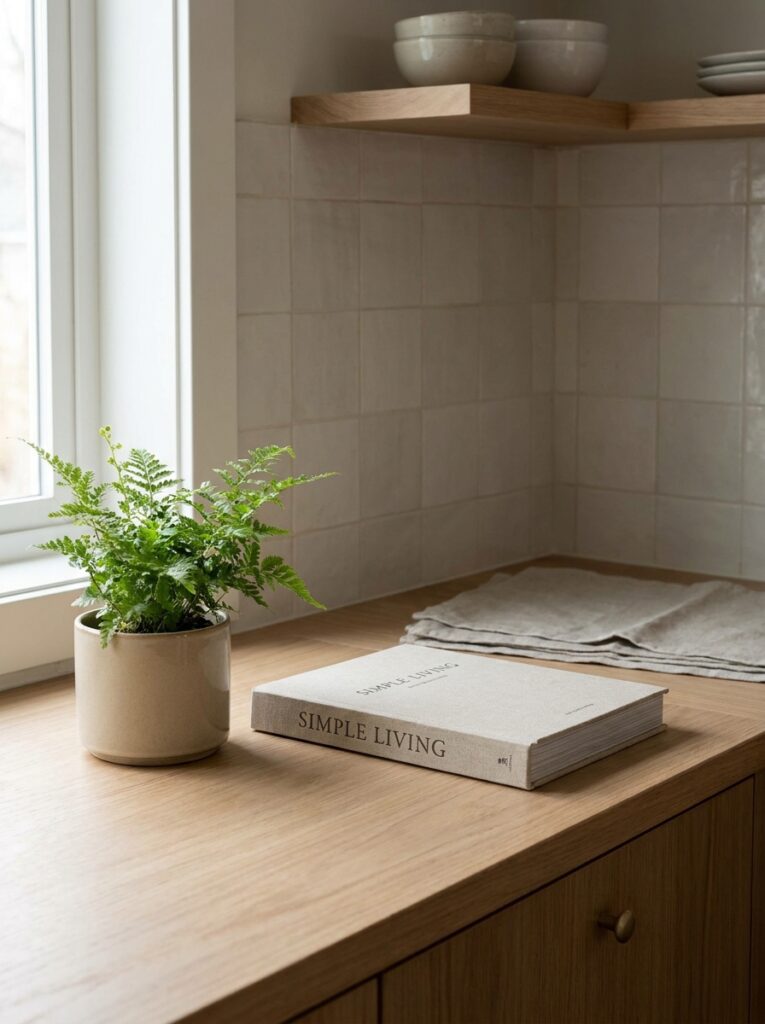
Surfaces like counters, tables, and desks quickly become clutter points.
- Keep only essential items visible
- Avoid using surfaces for temporary storage
- Reset surfaces at the end of the day
Clear surfaces make the entire apartment feel more organized.
4. Rearrange Before You Add Anything
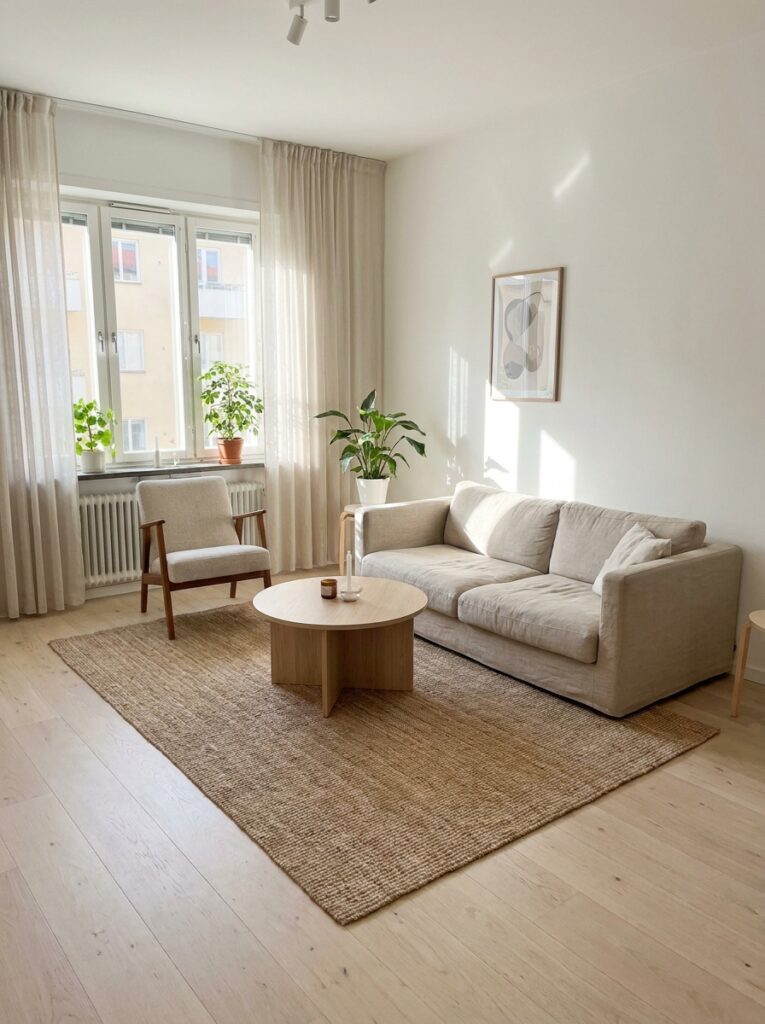
Many organization issues come from layout, not lack of storage.
- Move furniture to improve flow
- Open up pathways
- Reduce visual blocking
A better layout often creates more usable space without adding anything.
5. Use What You Already Have More Efficiently
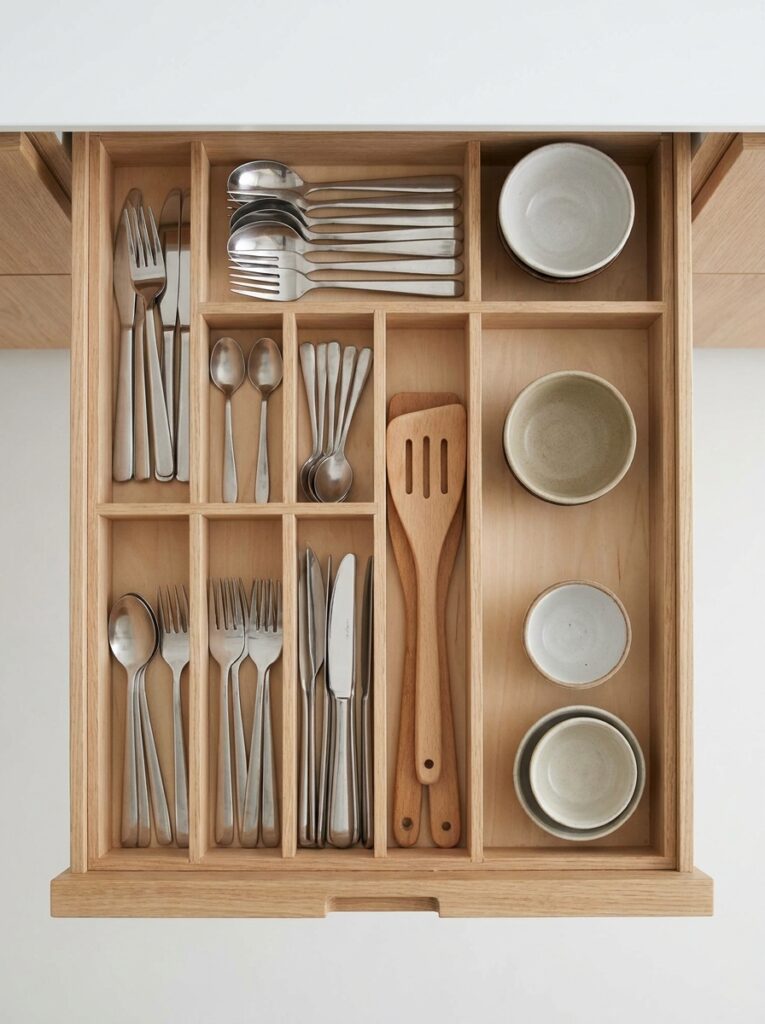
Instead of buying new storage, improve how existing storage works.
- Reorganize drawers
- Group similar items together
- Adjust how shelves are used
Small changes can create more room than adding new containers.
6. Keep Frequently Used Items Easy to Access
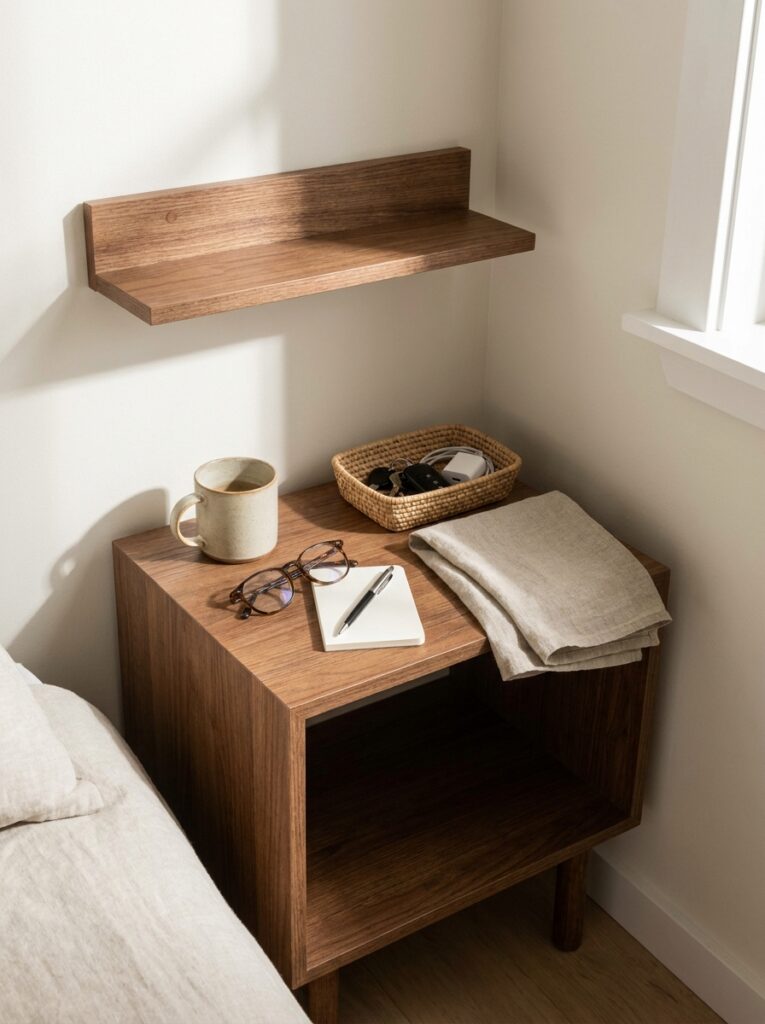
If items are hard to reach, they end up left out.
- Place daily-use items within easy reach
- Avoid stacking too many things together
- Keep access simple
This reduces clutter buildup over time.
7. Limit “Temporary Placement” Habits
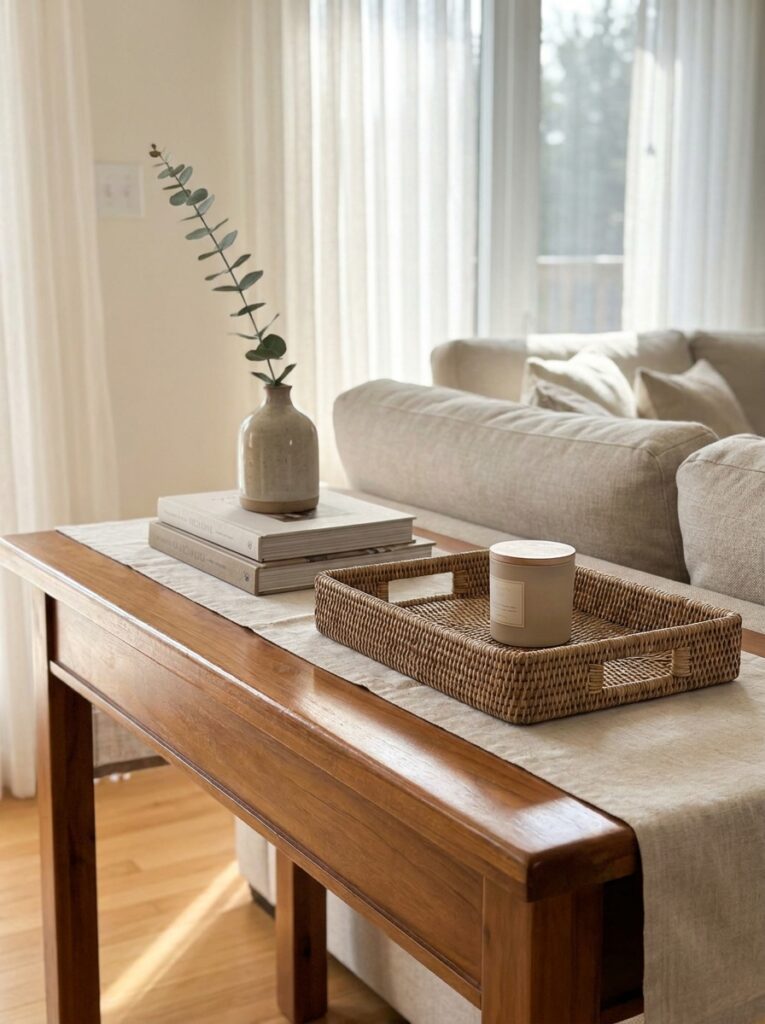
Clutter often starts with small habits.
- Avoid placing items “just for now”
- Return things to their place immediately
- Keep drop zones controlled
Consistency matters more than systems.
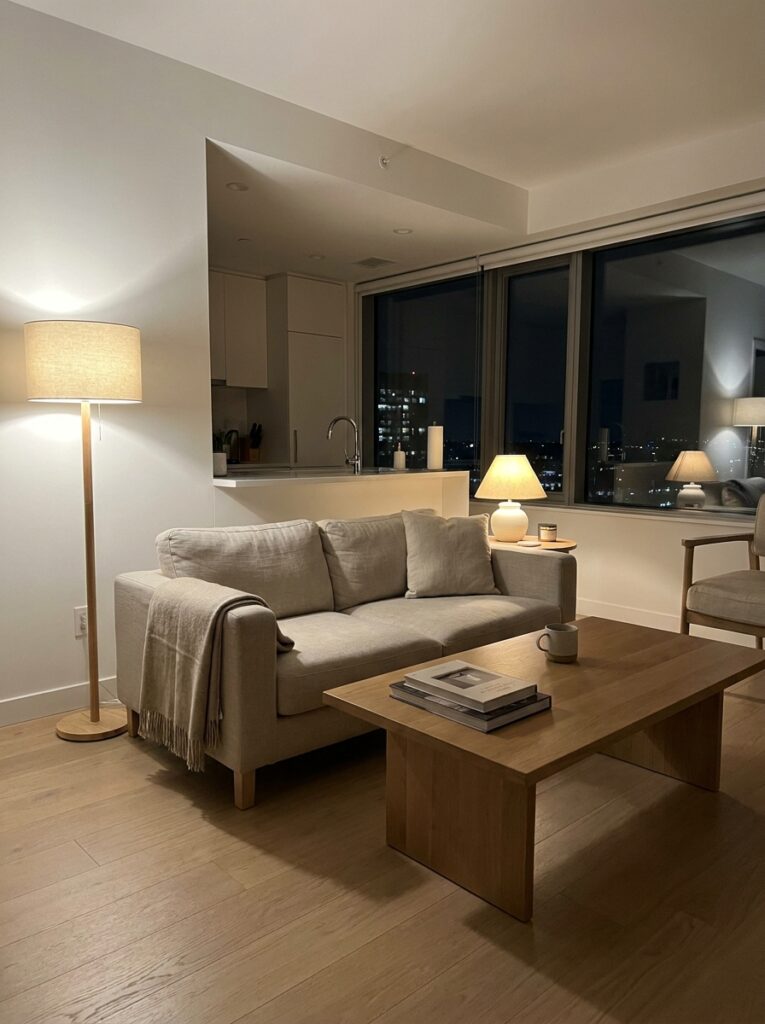
8. Create Visual Breathing Room
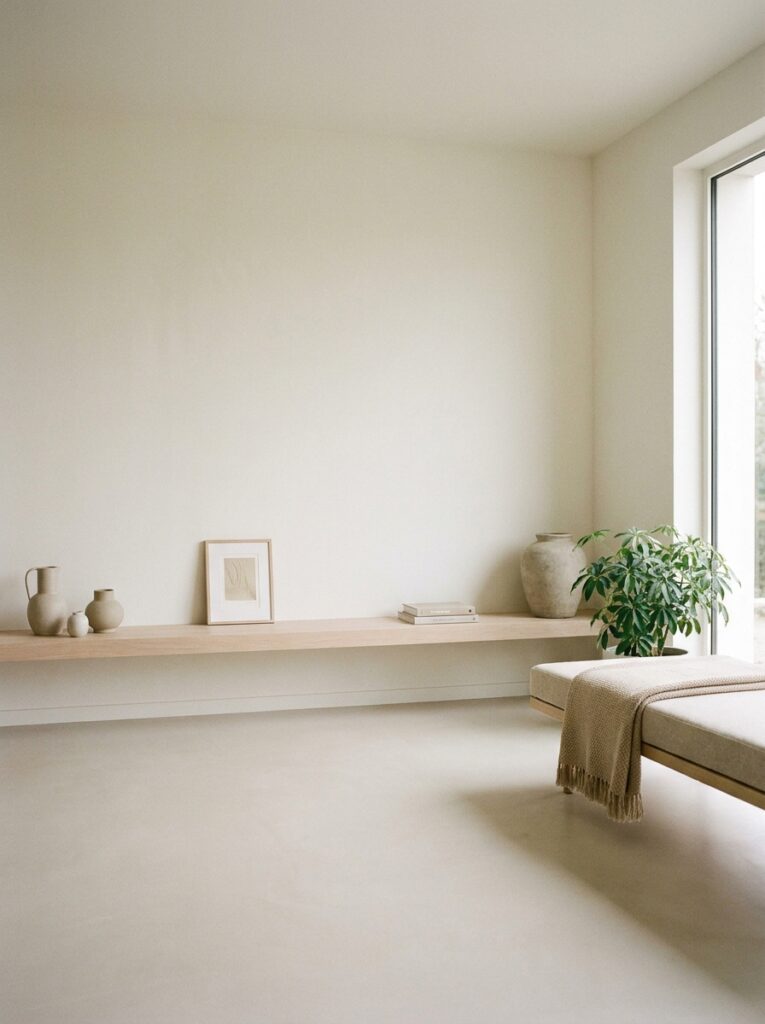
An organized space is not one that is fully filled.
- Leave gaps between items
- Avoid overfilling shelves
- Let some areas stay empty
This makes the apartment feel larger and calmer.
9. Focus on Daily Reset, Not Perfect Setup
Organization is not a one-time task.
- Spend a few minutes resetting each day
- Keep systems simple
- Avoid complex setups that are hard to maintain
A space that is easy to reset stays organized longer.
A More Effective Way to Organize Small Spaces
Instead of trying to fit more into your apartment, focus on making space feel easier to use. When layout, habits, and placement improve, the need for extra storage decreases.
A well-organized small apartment is not about how much it holds—it’s about how smoothly it functions every day.